Aldasoro Family History
Aldasoros in Telluride
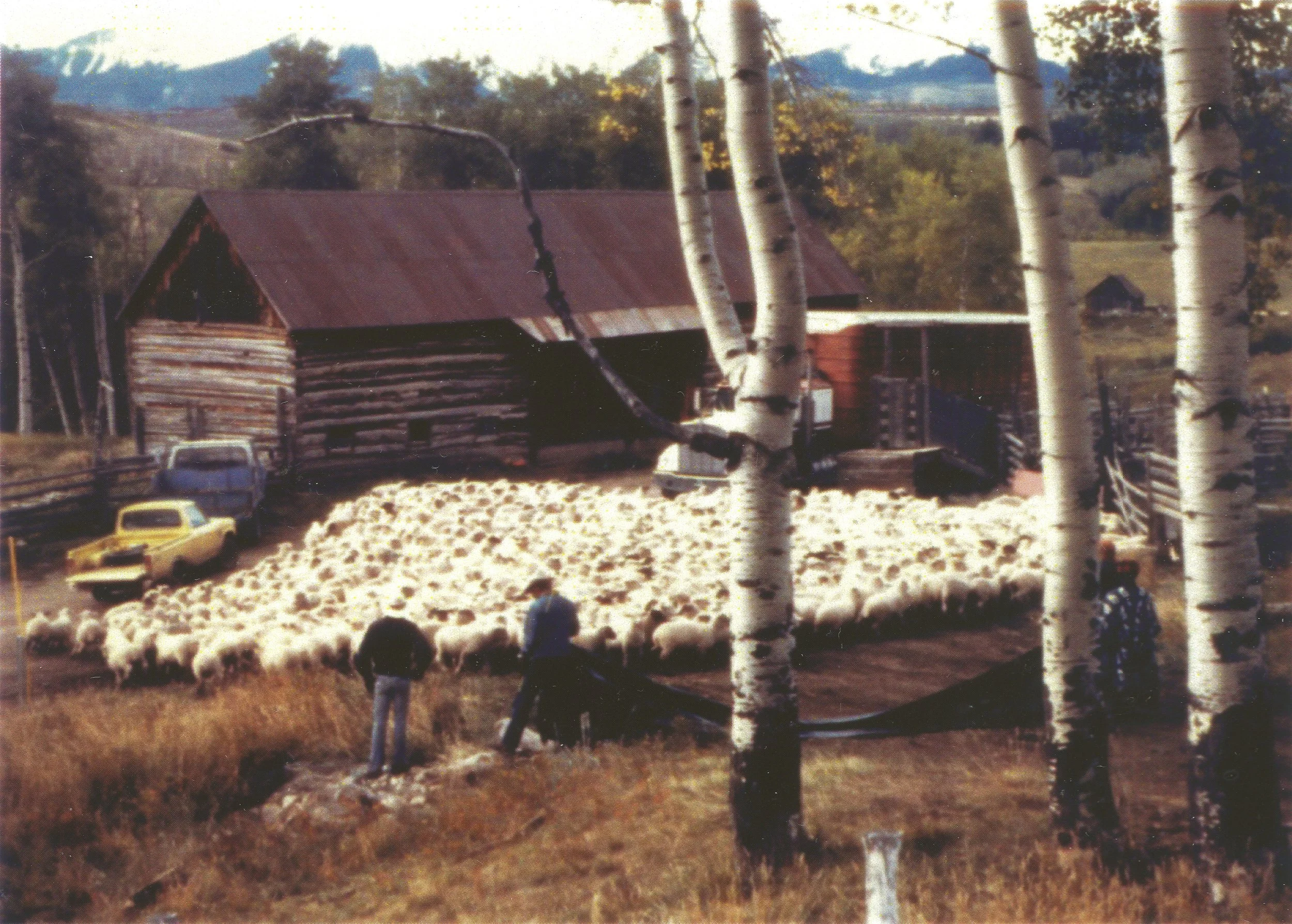
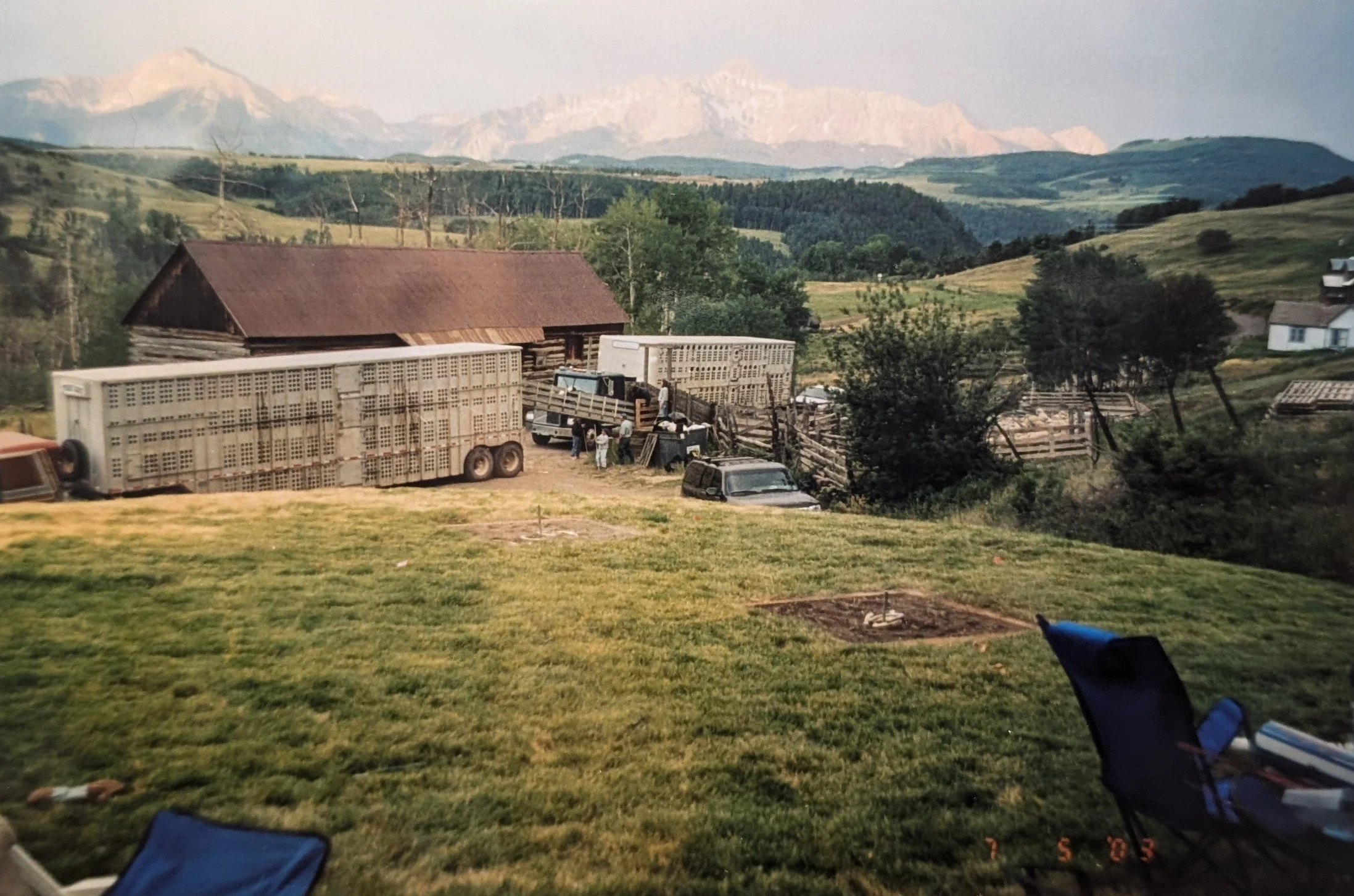
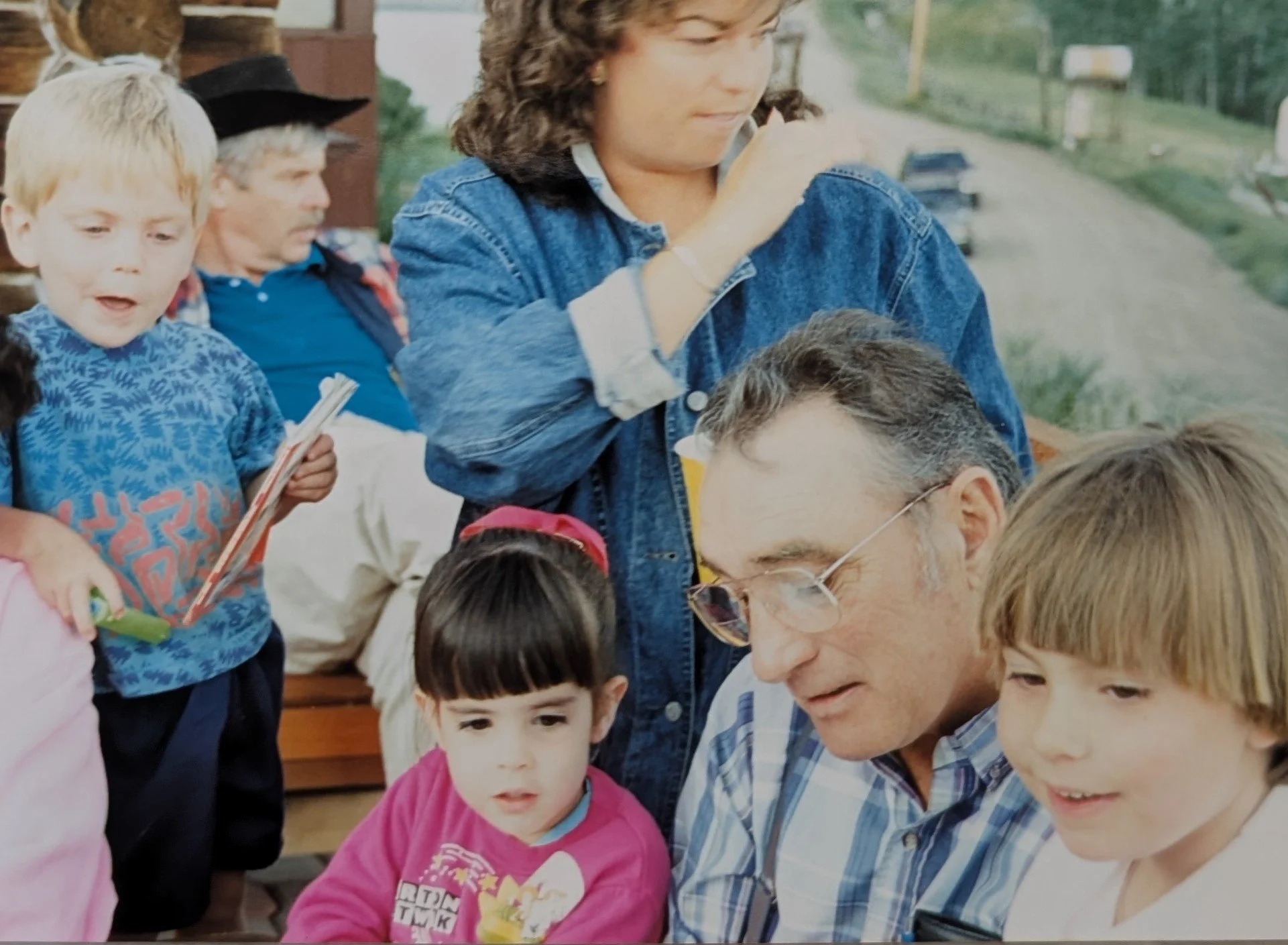
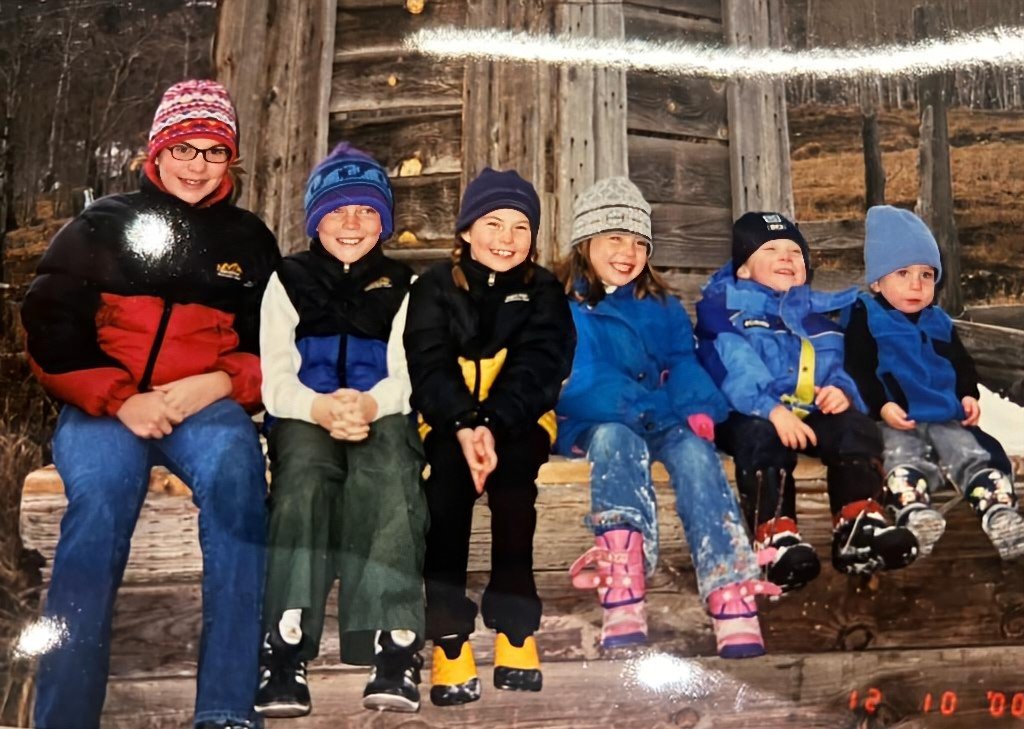
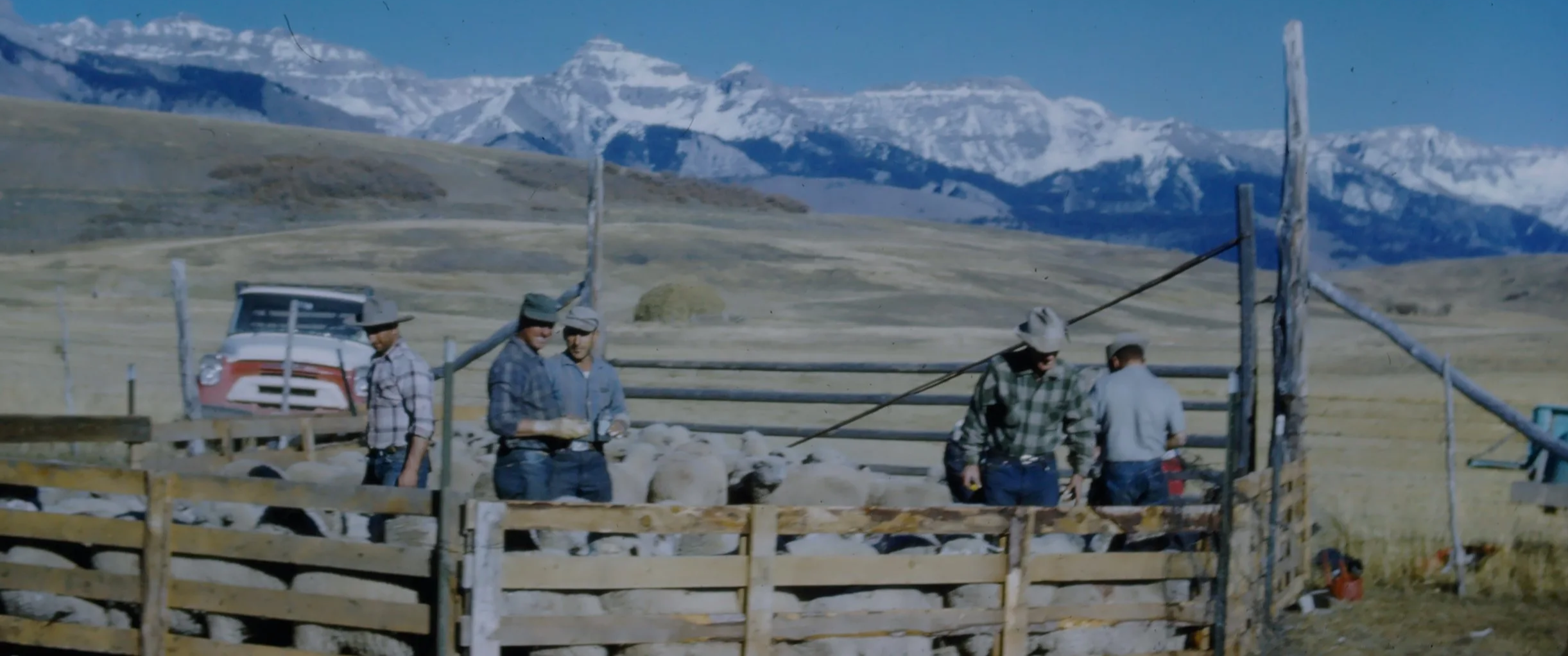
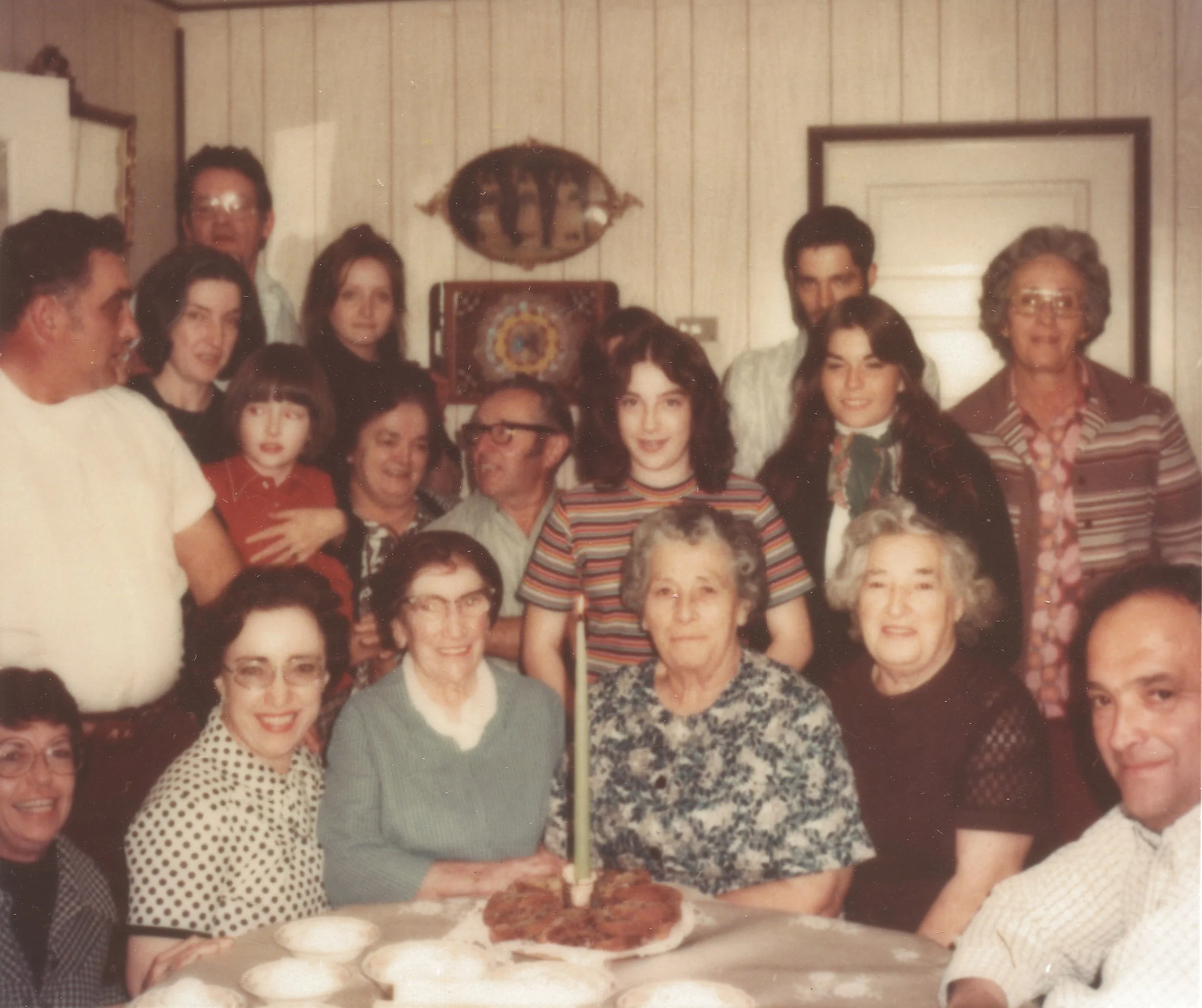
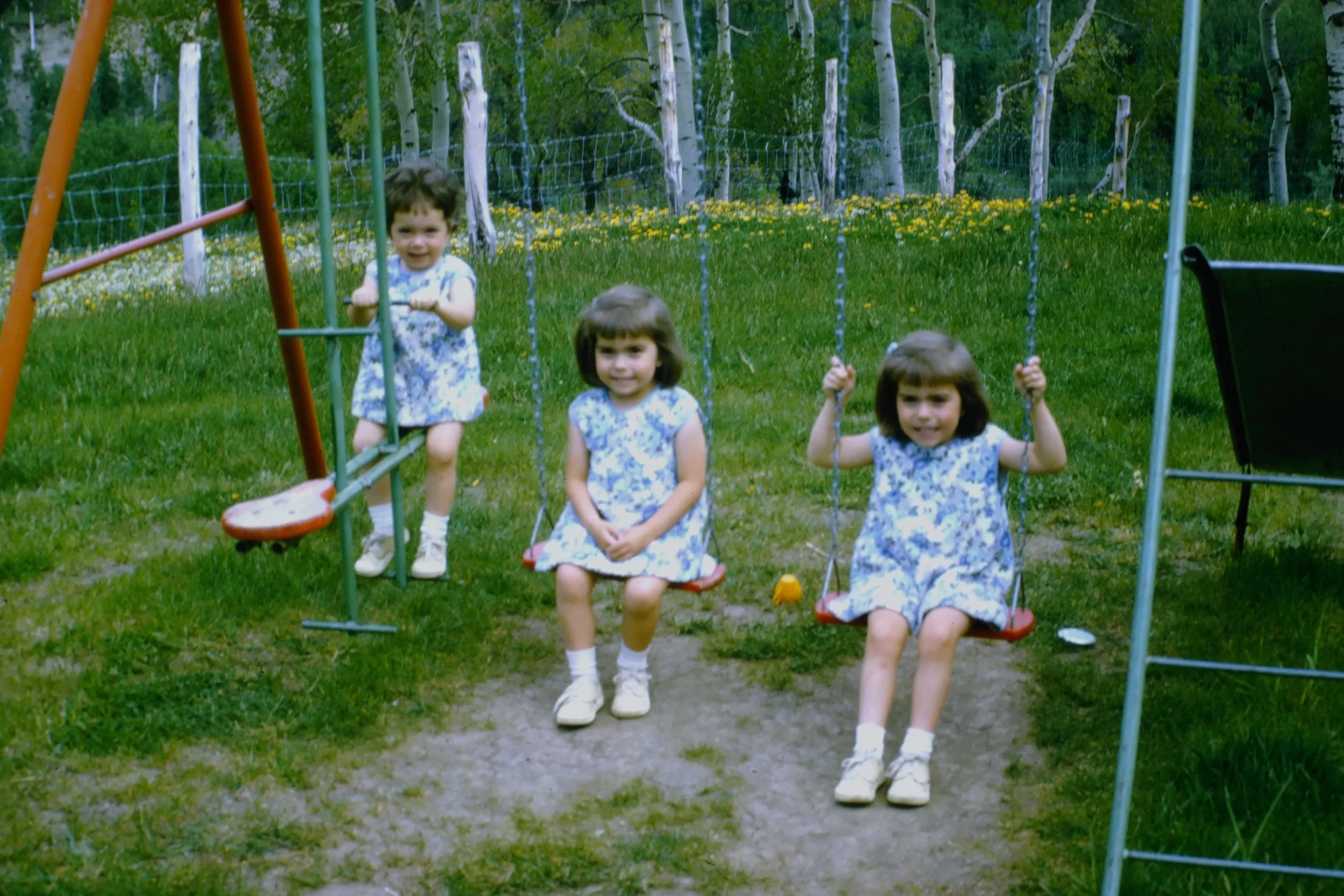
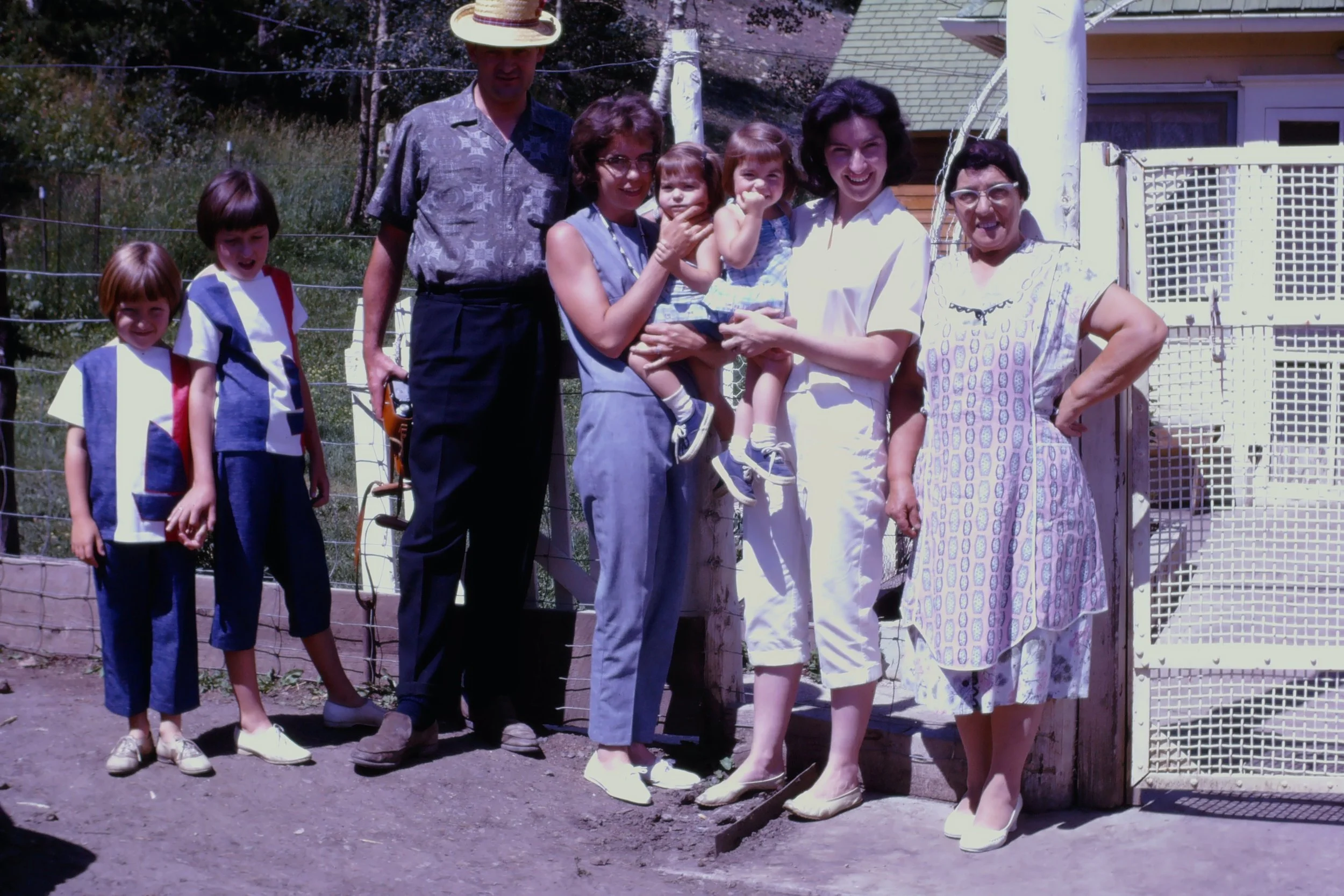
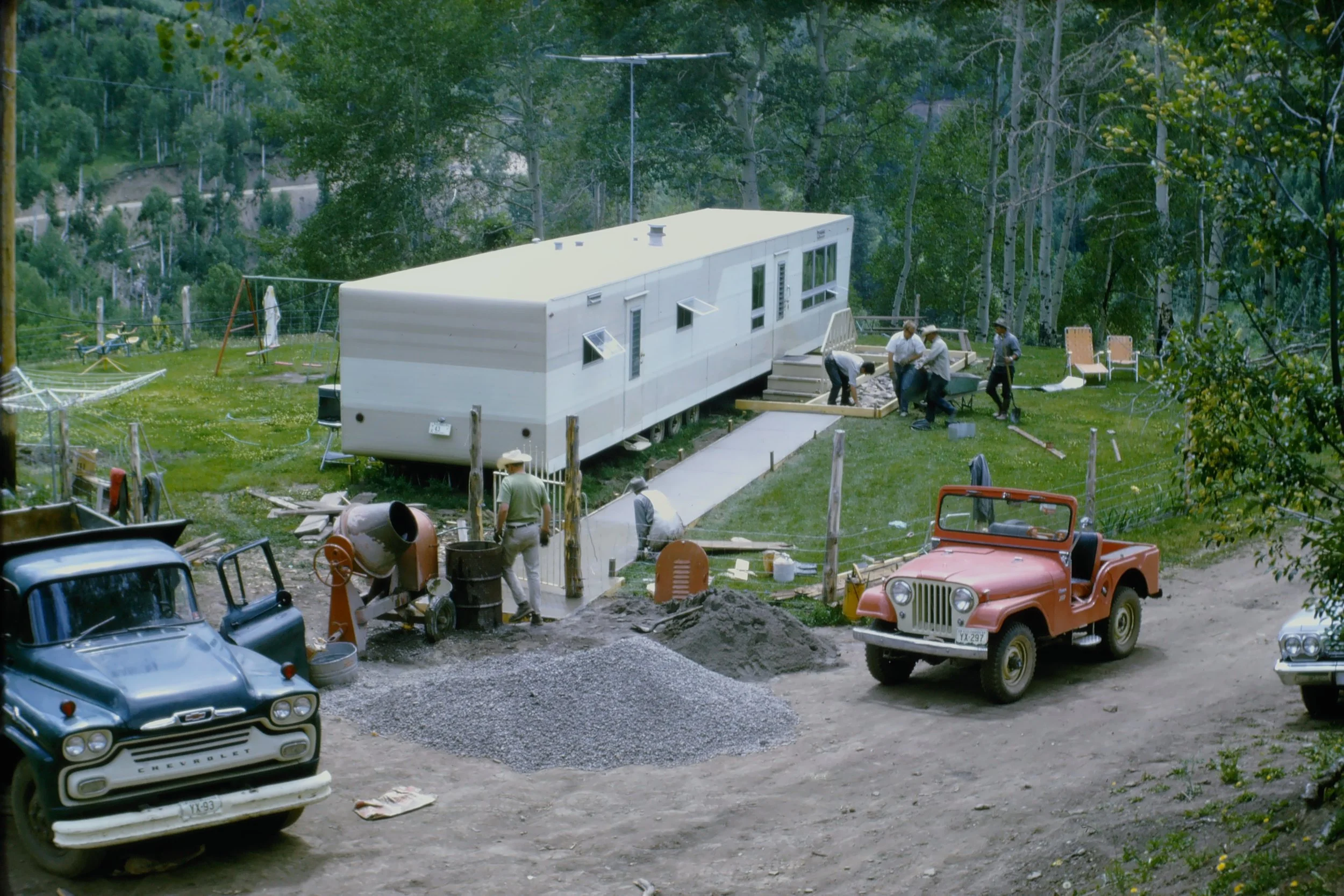
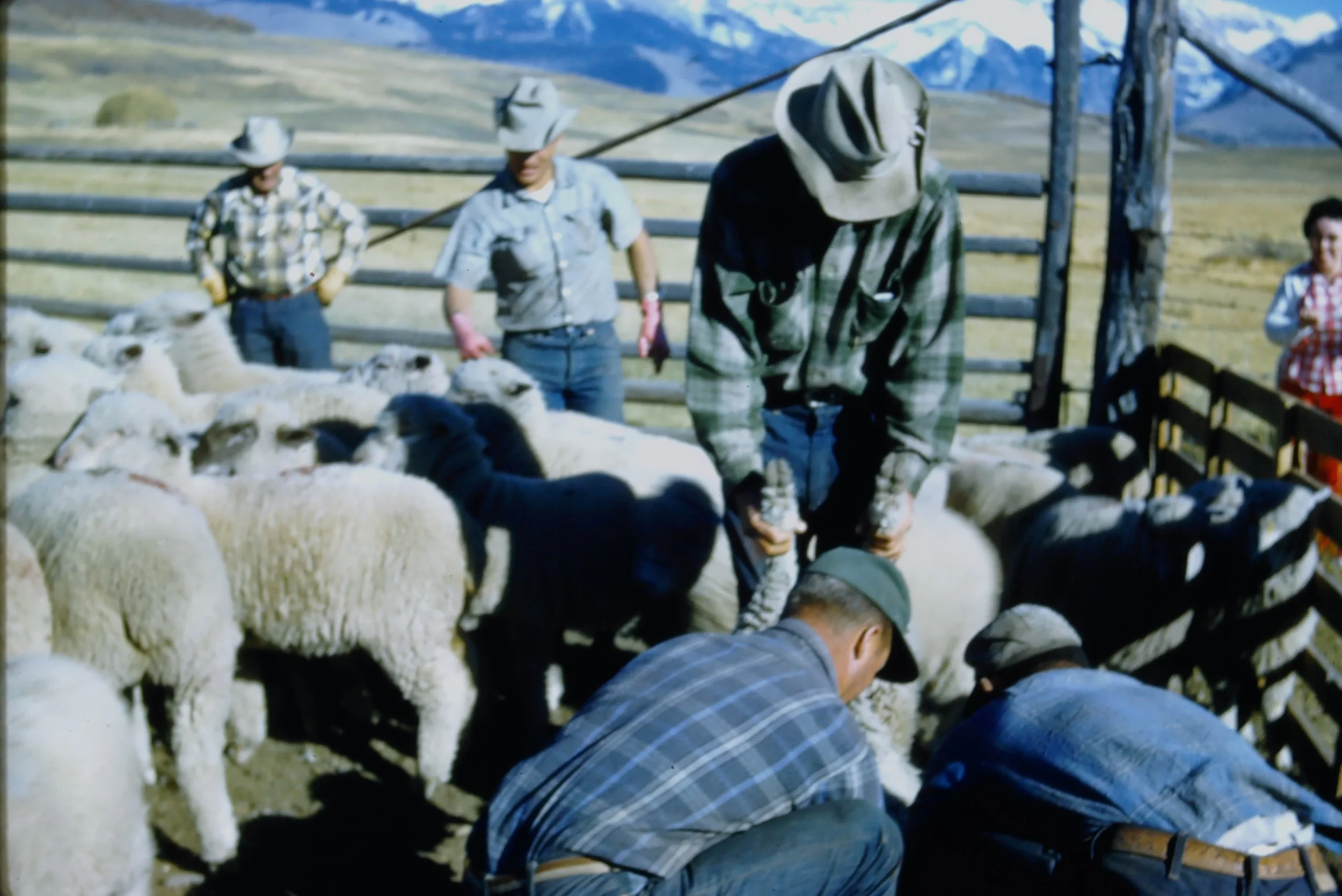
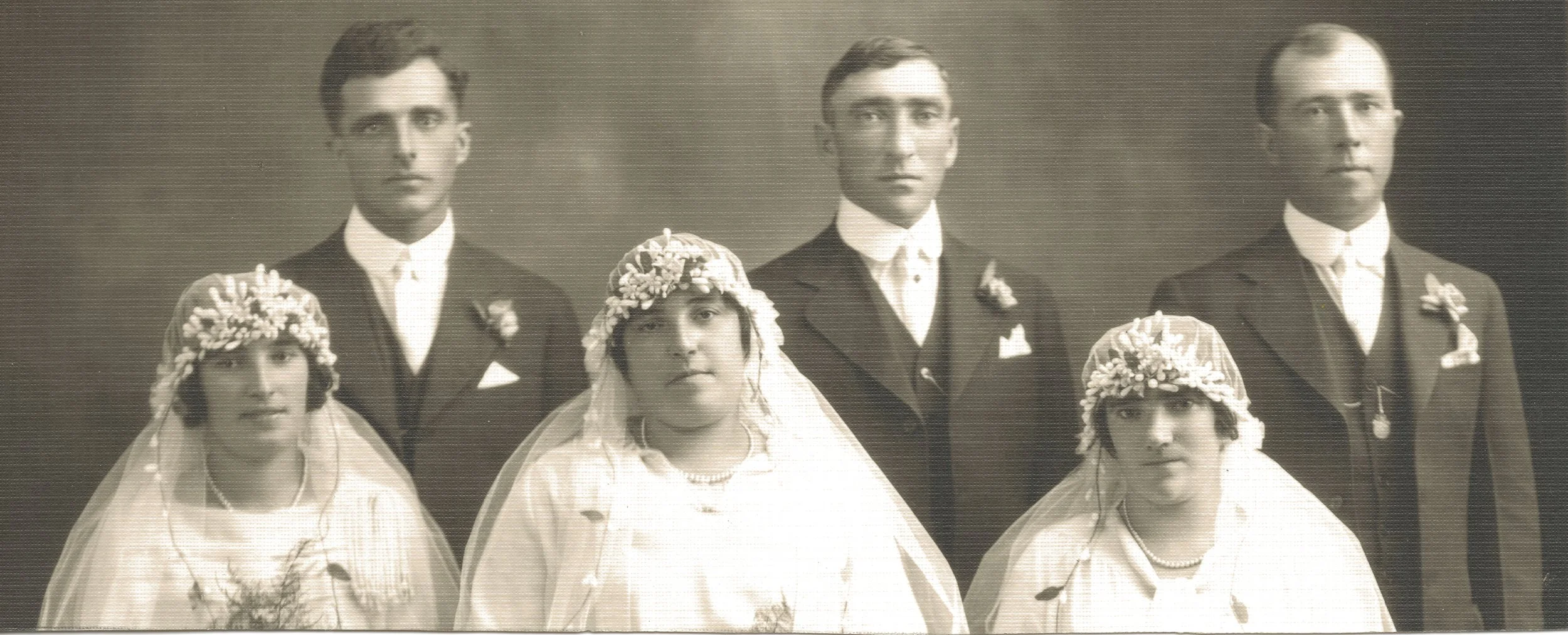
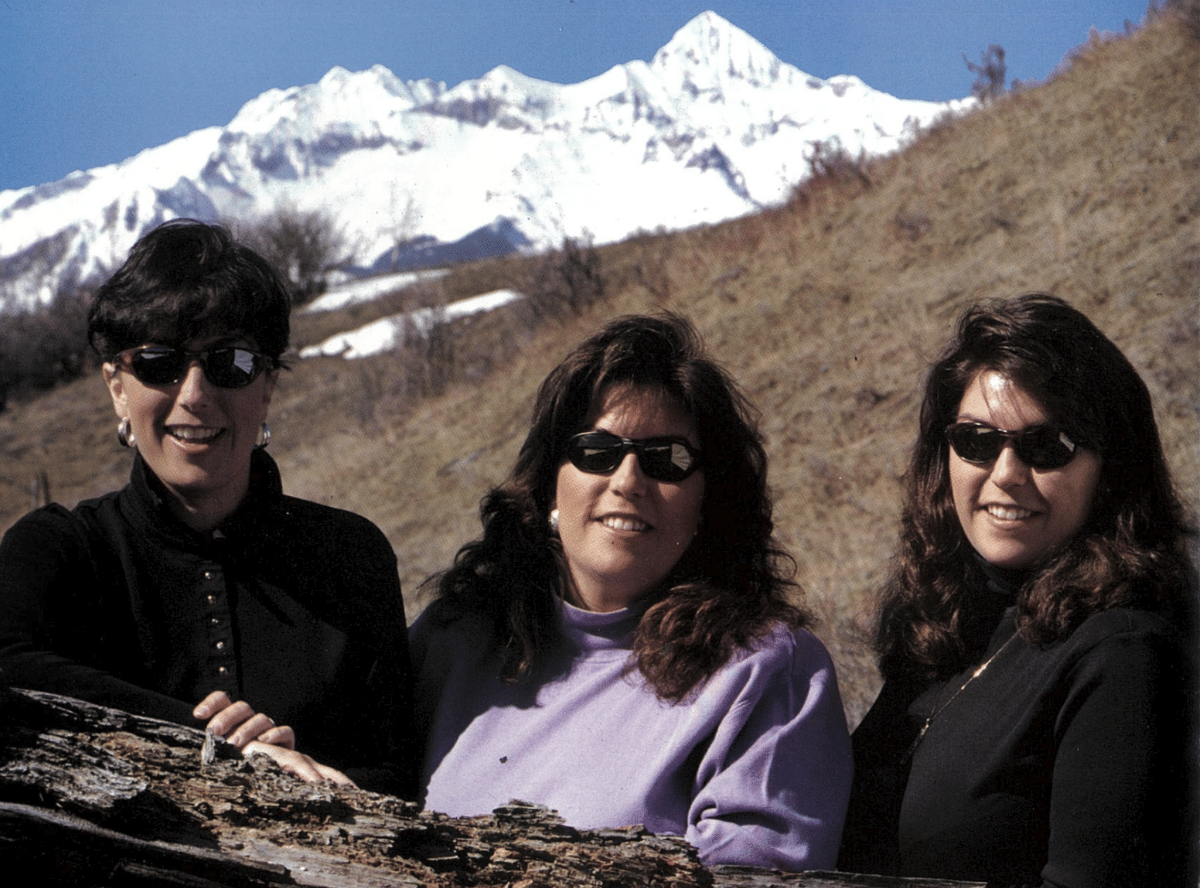
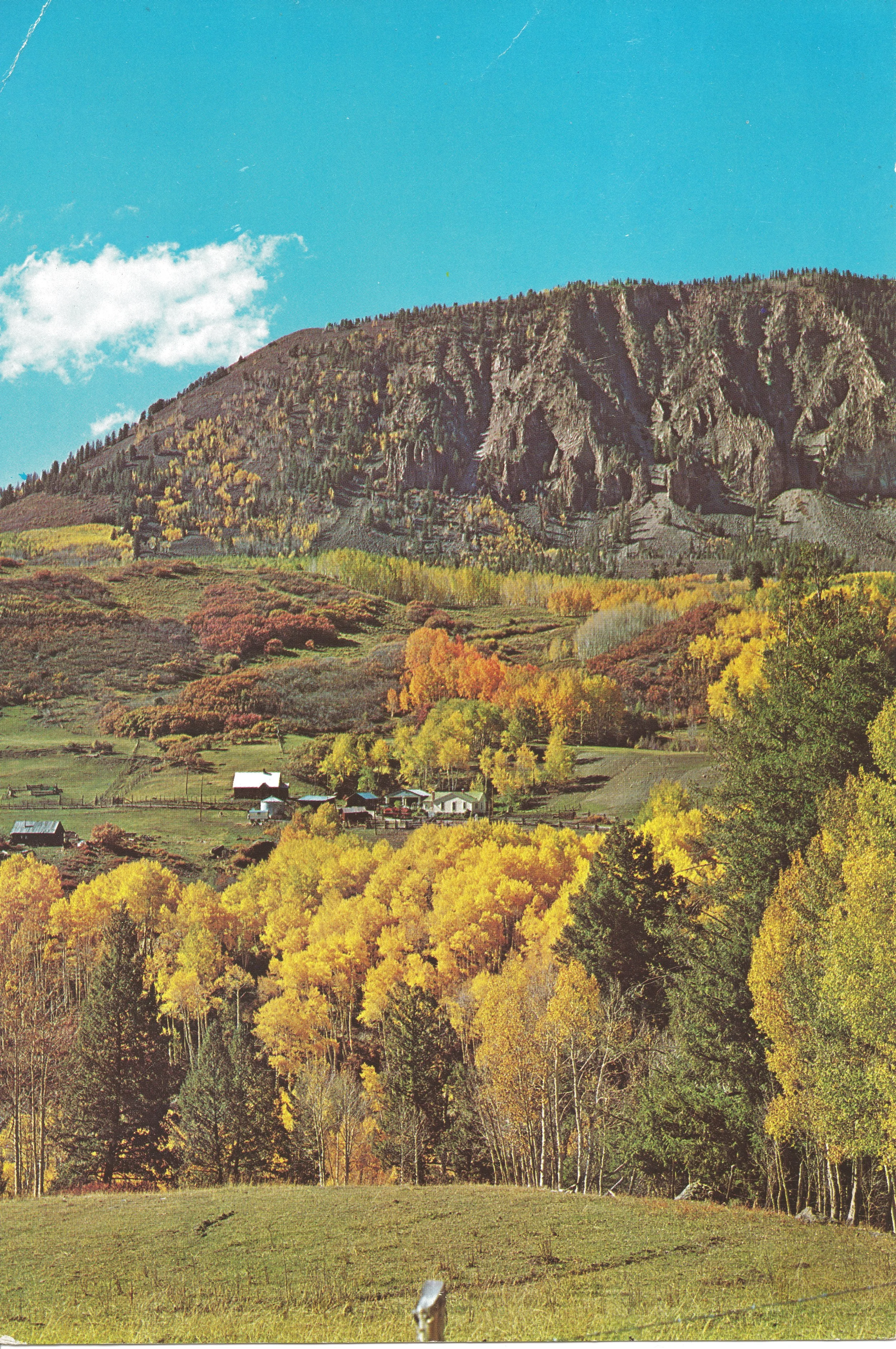
Since 1926, the pioneering Aldasoro family has made this valley their home, raising sheep and living in close harmony with the seasonal cycles of nature. Joaquin, Miguel and Bernardo, the original Aldasoro Brothers, left their Basque homeland in the Spanish Pyrenees eight decades ago and traveled by land and sea to herd sheep across eastern Utah. Seeking summer pasture, they moved their flocks up into the San Juan Mountains and discovered Telluride, where they set about building their American dream. Their first purchase, in 1926, was a modest plot of land on Deep Creek Mesa. They labored long and hard, prospering over the years and gradually acquiring 11 adjoining homesteads that together became known as Aldasoro Ranch. At its peak the ranch encompassed some 5,000 acres and supported thousands of sheep. Today the third generation of Aldasoros, along with their children and neighboring sheep ranchers, continue to run flocks on the site that served as the brothers’ original headquarters. The Aldasoro Ranch subdivision was deliberately planned with low density, allowing just 166 home sites across 1,550 acres to preserve the exclusiveness and enduring peacefulness of a true mountain lifestyle for today and for generations to come.
Remine Creek and The Hogg Ranch
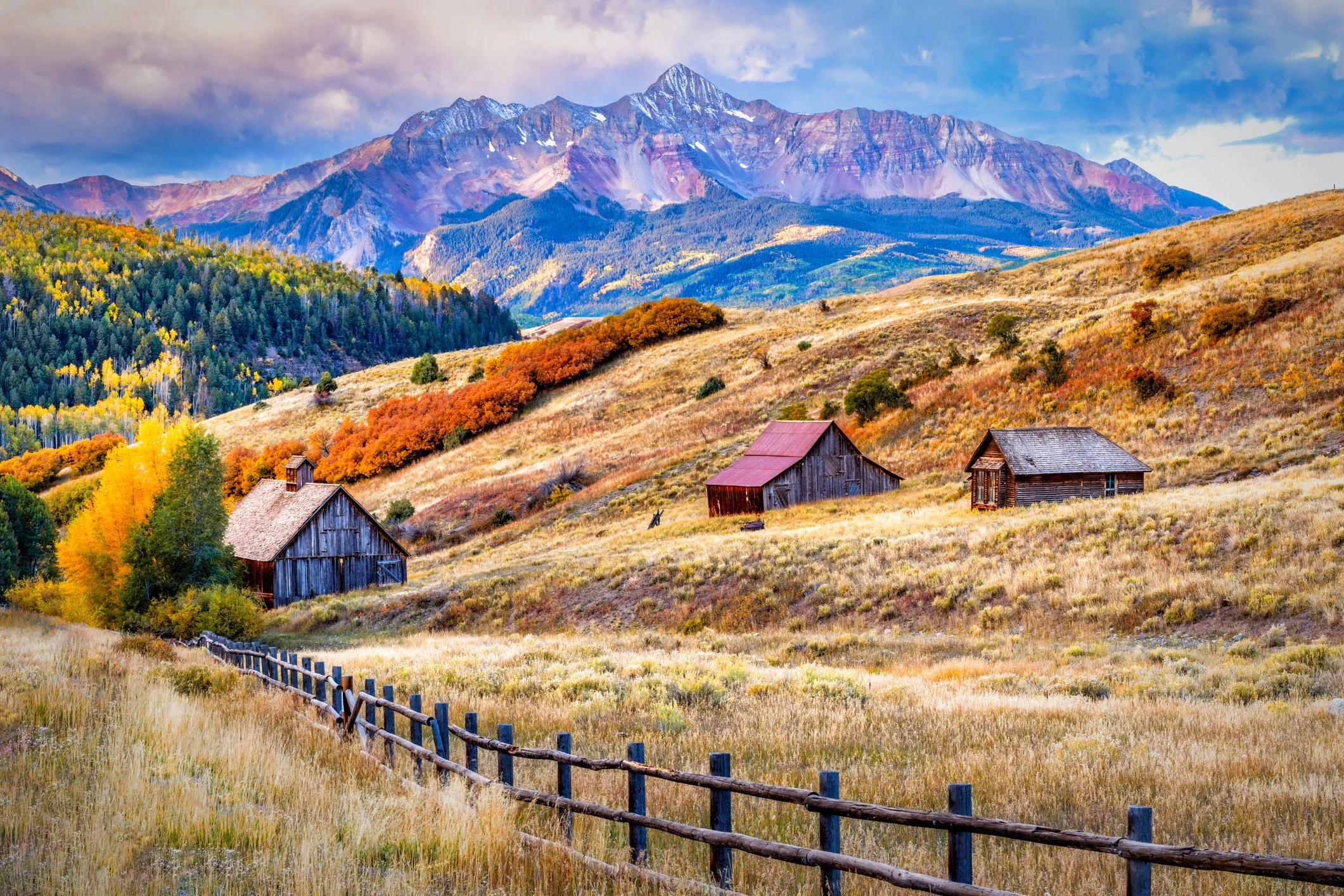
Remine Creek runs through the middle of the Aldasoro Ranch, named for Lon Remine who patented the Navike Placer in 1887 between the Keystone placer and the Hogg Ranch. He was often credited as being the first white man to settle the Telluride Valley. He came in 1872 before the Brunot treaty was legalized. He became an eccentric and well-loved or feared hermit in his later years. His brother Bill came and worked the Keystone placer with him but they stopped talking to each other over arguments about the Civil War which they fought on opposite sides.
The Hogg Ranch was originally patented in 1890 by Herschel M. Hogg usually referred to as Honorable H. M. Hogg who was Telluride’s City Attorney from 90-98 and San Miguel County Attorney from 90-92. He was instrumental in the arguments against Governor Peabody when he declared martial law in 1904 to quell the Miner’s Union Strike, and later served on the 58th and 59th congress as a Republican from 1902-1907. While in Congress he authored the Bill that made Mesa Verde a National Park. The ranch has been sold several times used as a dairy, storage, a place to keep livery animals, and sheep.
Ranching on Deep Creek Mesa
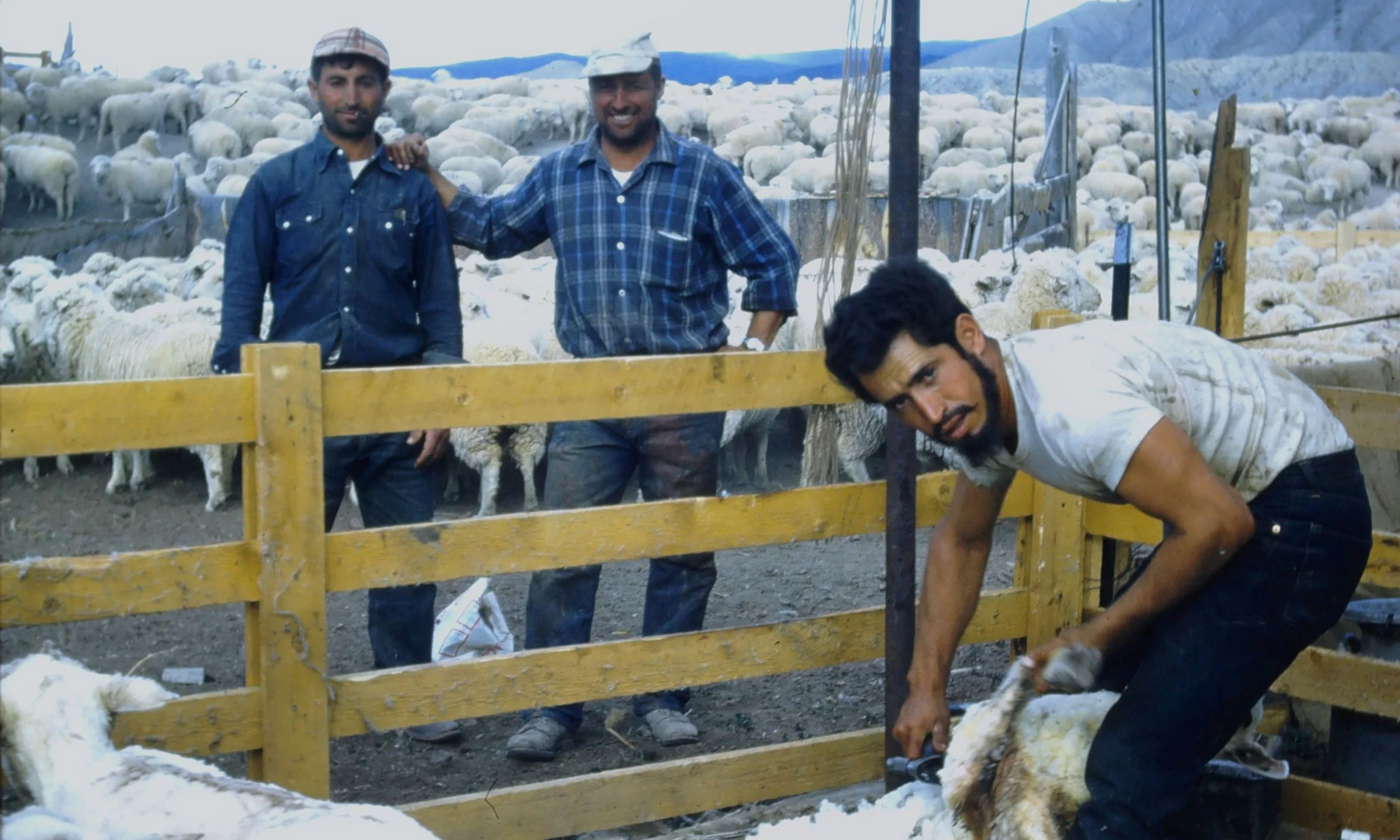
The Aldasoro family helped keep Telluride’s mining town alive by supplying something the high-country camps could not produce for themselves: food and wool. Basque immigrants from northern Spain, the family settled on Deep Creek Mesa above Telluride in the early 20th century specifically to raise sheep and provide lamb and wool to nearby mining operations in the San Juan Mountains. While miners focused on extracting ore, the Aldasoros ran large bands of sheep on a network of homesteads that eventually supported more than 5,000 animals, turning the mesa into one of the region’s key agricultural bases.
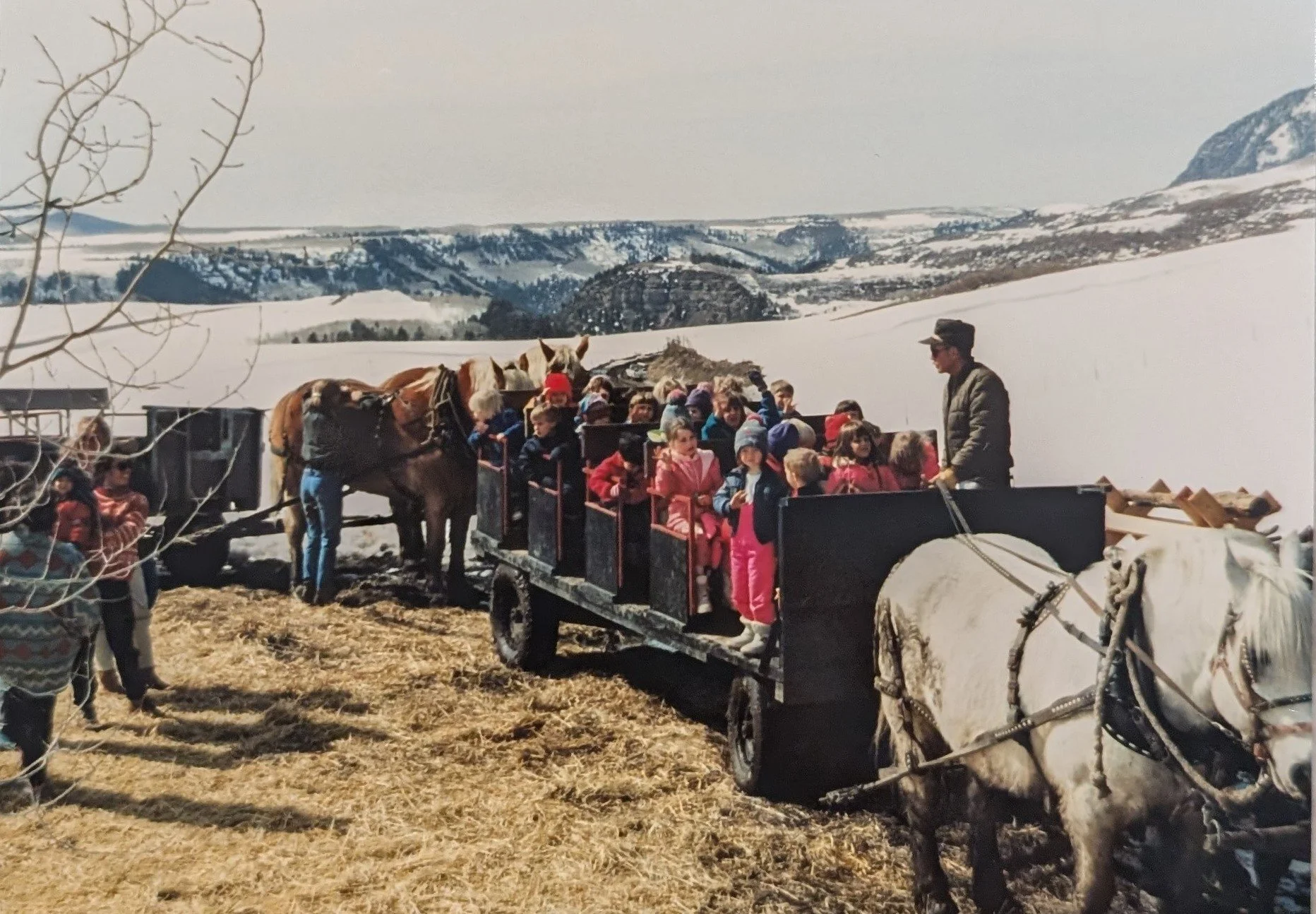
Their ranch gave the mining town a local, reliable source of meat and textiles at a time when high-altitude isolation made supply chains long and fragile. As booms and busts hit the mines, the Aldasoro operation provided a measure of continuity, with the family continuing to live and work on the land through periods when Telluride nearly emptied out after the mining decline. That long presence meant the Aldasoros became woven into community life: their name now appears on a trail, a large residential area on the former ranch lands, and a modern family business, Telluride Sleighs and Wagons, which still operates on part of the historic property and shares that mining-era ranch story with visitors.
In that sense, the Aldasoros were a bridge between Telluride’s hardrock economy and its surrounding ranch country, grounding a volatile mining town in working agriculture and family continuity over several generations. Their story also reflects a broader Western pattern: immigrant stockmen building livelihoods at the edge of mining districts, then adapting as those districts later transformed into recreation and resort communities.